
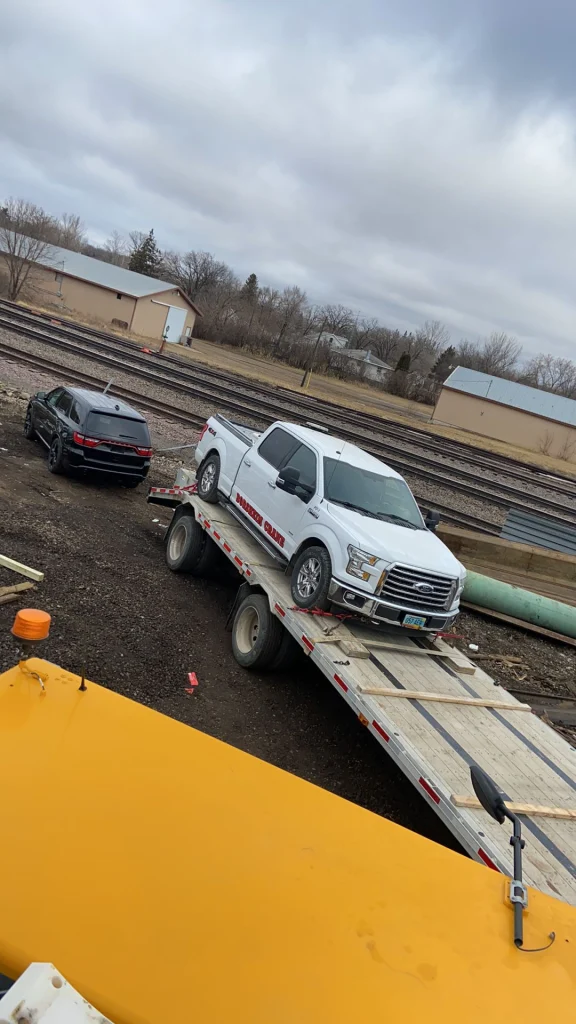
When arranging vehicle shipping, one of the first decisions is choosing between open and enclosed car transport. Both options can move vehicles over short or long distances, but they offer different levels of protection, pricing, and availability.
Understanding these differences can help you choose a service that matches your vehicle and budget.
What Is Open Car Transport?
Open car transport uses a specialized trailer without fully enclosed sides and a roof. The carrier may transport several vehicles on the same trip, making this method a popular choice for standard cars and SUVs.
Open transport is generally more economical than enclosed transport because the equipment and operating costs differ. It is frequently considered for everyday vehicles, relocations, dealership transfers, and out-of-state car purchases.
However, vehicles are exposed to outdoor conditions such as rain, dust, and road debris. Although exposure does not mean damage will occur, it is an important consideration when selecting a shipping method.
What Is Enclosed Car Transport?
Enclosed car transport uses a covered trailer to shield vehicles from many outdoor elements during transit.
This option may suit classic cars, luxury automobiles, collectible vehicles, restored cars, and specialty models whose owners prefer additional protection from environmental exposure.
Enclosed transport typically costs more than open shipping. Carrier availability, trailer capacity, route, vehicle dimensions, and scheduling requirements can affect the price.
Comparing Cost
For many standard vehicles, open transport is the more budget-friendly choice. Enclosed transport generally has a higher price because of its equipment, operating costs, and available capacity.
The exact price difference varies. When comparing quotes, use the same pickup and delivery locations, dates, and vehicle information so you can evaluate the options fairly.
Ask what is included in each quote, whether the amount can change, and what payment and cancellation terms apply.
Comparing Protection
Open transport leaves vehicles exposed to normal outdoor conditions. Enclosed transport provides a covered environment that reduces exposure to many forms of weather and road debris.
Neither method guarantees that a vehicle will remain free of damage. Before booking, ask about carrier insurance, vehicle inspections, and the process for reporting a problem.
Which Option Is Better for Everyday Vehicles?
Open transport is often a practical choice for standard sedans, SUVs, and other everyday vehicles. It may provide an effective balance of price and convenience for customers moving between cities or states.
Consider the vehicle’s value, condition, and your own protection preferences before deciding.
Which Option Is Better for Classic or Luxury Cars?
Enclosed transport may be worth the additional expense for a classic car, luxury vehicle, collector’s model, or automobile with a specialty finish.
Owners should also disclose low ground clearance, modifications, and other loading requirements. Confirm that the carrier has suitable equipment and review the applicable insurance and claims arrangements.
Questions to Ask Before Booking
Before choosing a carrier or transportation provider, ask:
- What is included in the quoted price?
- Is the company a broker or a motor carrier?
- What are the estimated pickup and delivery windows?
- What insurance coverage applies to the shipment?
- How are vehicle condition and existing damage documented?
- What happens if pickup is delayed or the shipment must be rescheduled?
These questions help clarify expectations and make it easier to compare transportation options.
Final Thoughts
Open transport is often suitable for everyday vehicles and customers prioritizing affordability. Enclosed transport is worth considering when additional shielding from outdoor conditions is important.
Sacred Auto Holy Shippings helps customers explore vehicle shipping options based on their route, vehicle, and preferences. Contact us to discuss your shipment and request a quote.